
SOLERA GUIDE · KARUIZAWA PART II OF III
Karuizawa, Part II: How It Changed Japanese Whisky Collecting
Cask numbers, label series and provenance turned Karuizawa into a new model for collecting Japanese whisky.
16/07/2026 · Keng Ong
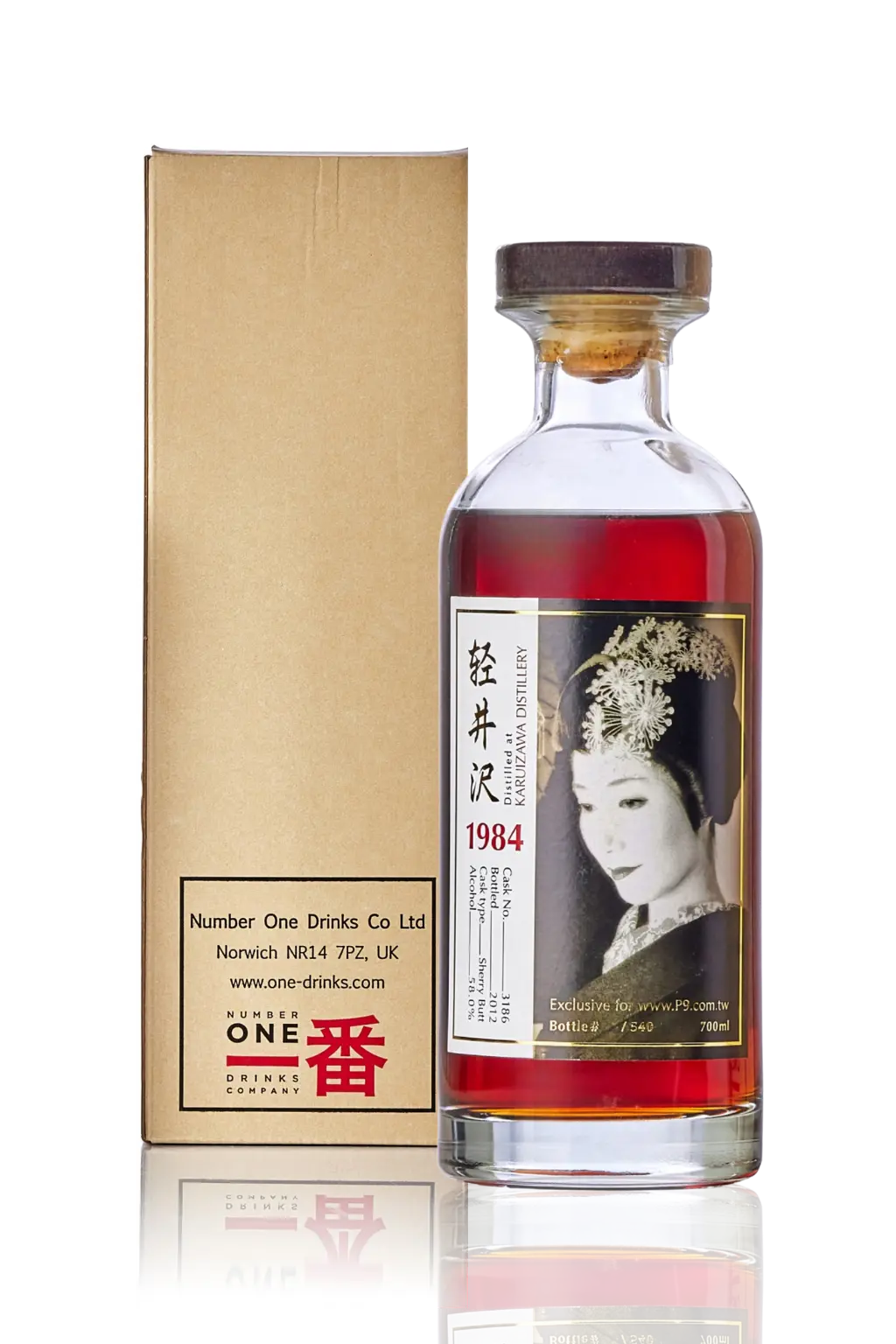
In Part I, we looked at the original Karuizawa distillery, its heavy spirit and the finite stock left after production ended. This chapter is about what those bottles taught collectors.
Karuizawa did more than become rare. It changed what buyers looked for in Japanese whisky. Distillation year, cask number, bottling strength and outturn moved from technical details to the centre of the story.
The label became a map
Noh, Geisha, Samurai and other art-led releases were instantly recognisable. But the artwork was only part of the appeal. A careful buyer also read the distillation year, age, cask number, strength and number of bottles produced.
That combination gave collectors two ways to build a series. Some followed a visual family such as Geisha or Noh. Others followed a vintage, cask type or bottler. Karuizawa made Japanese whisky collecting more specific and more personal.
The 1984 Geisha Cask #3186, the 1976 Noh Cask #6719 and the 1984 Carpe Koi Cask #4021 show how different presentations can still lead back to the identity of one cask.
A closed distillery entered the top tier
Karuizawa widened attention beyond famous blends and standard age statements. It proved that a closed Japanese distillery could attract the same serious interest as Port Ellen, Brora and other lost names in Scotch whisky.
Hong Kong became an important meeting point for that demand. In 2018, Bonhams Hong Kong sold a Karuizawa 1960 52 Year Old “The Dragon”, one of 41 bottles, for HK$2.45 million. It was then a record for a single bottle of Japanese whisky. In May 2026, a Karuizawa 1960 52 Year Old “Treasure Ship” realised HK$6.25 million at Bonhams Hong Kong.
Those prices belong to exceptional bottles, not the whole market. Their importance is the attention they brought to Japanese single casks, closed-distillery provenance and the quality of the surviving whisky.
Auction records also made the category easier to discuss. Collectors could point to a specific cask, a limited outturn and a public sale rather than relying only on reputation or packaging. That transparency raised expectations for documentation across Japanese whisky more broadly.
Condition became part of the bottle
At the top end of whisky collecting, provenance cannot be separated from the product. Buyers want to know who bottled the whisky, where it has been stored, whether the packaging is complete and whether the fill level and closure remain sound.
Karuizawa helped make those questions standard for serious Japanese whisky. The label identifies the cask, but the physical condition and ownership history determine whether the bottle still deserves confidence.
That discipline also changed how collectors compare bottles. Two releases from the same distillery may look similar on a shelf and still differ completely in cask type, outturn, fill level and reliability of storage. The details decide the difference.
What this means for collectors today
A useful Karuizawa collection has a point of view. Some buyers follow one label series. Others choose a single vintage, compare sherry and bourbon casks, or look for releases that explain the distillery across different decades.
Before buying, check the distillation and bottling years, age, cask number, cask type, strength, outturn and bottler. Inspect the fill level, closure, capsule, label and packaging. Storage history and seller credibility are part of the decision, not small extras.
In Part III, we will look at why sound original bottles are becoming harder to replace, what the new Karuizawa distillery means, and why collector interest may return.
KARUIZAWA AT SOLERA
Bottles connected to this chapter
Explore original Karuizawa single casks selected for collectors in Hong Kong.
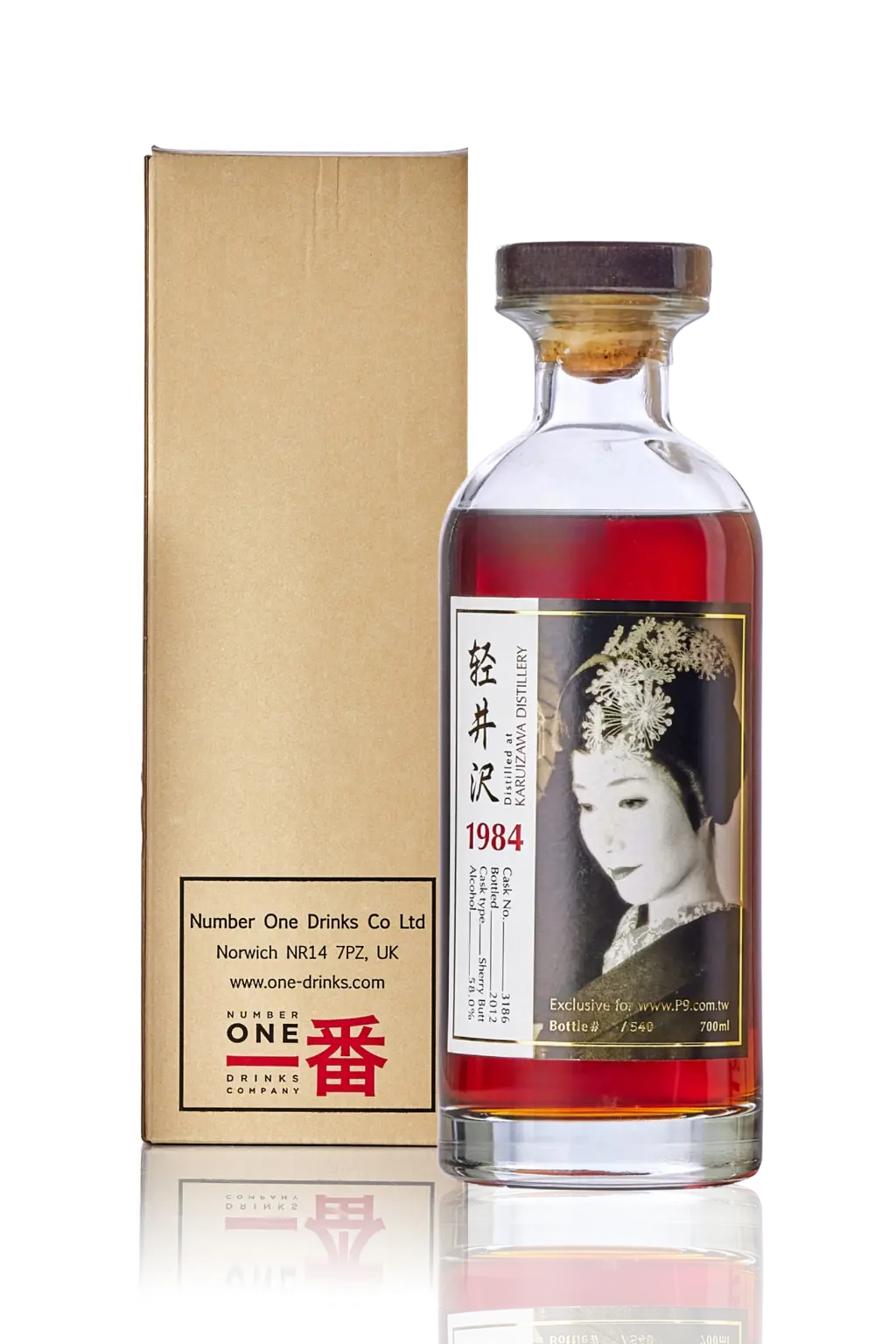 1984 Geisha Cask #3186
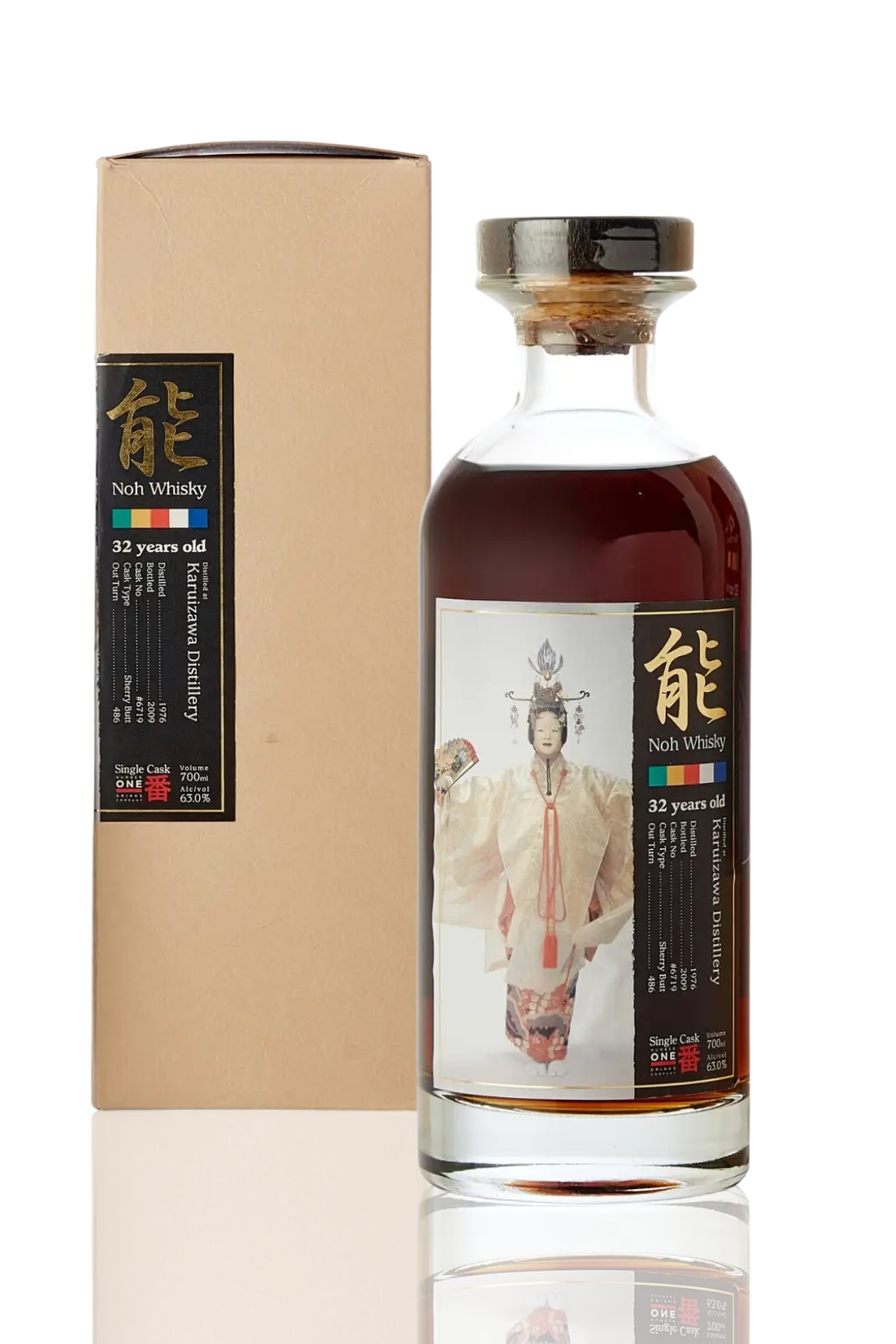 1976 Noh Cask #6719
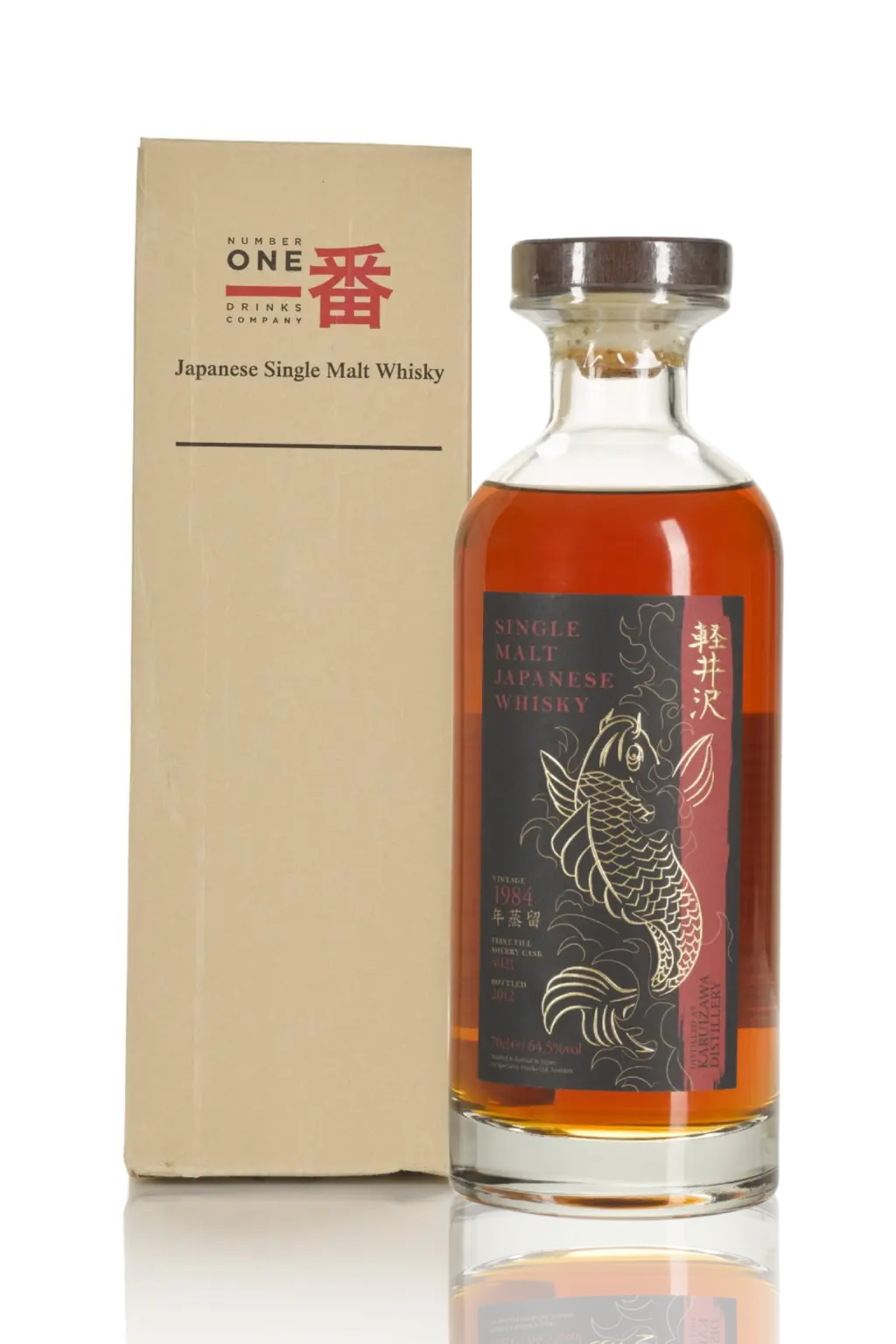 1984 Carpe Koi Cask #4021
Continue the series
Read Part I for the distillery’s history, or speak with The Solera Team about provenance and choosing the right bottle.

 and then Add to Home Screen.
