SOLERA GUIDE
The Future of Whisky Collecting
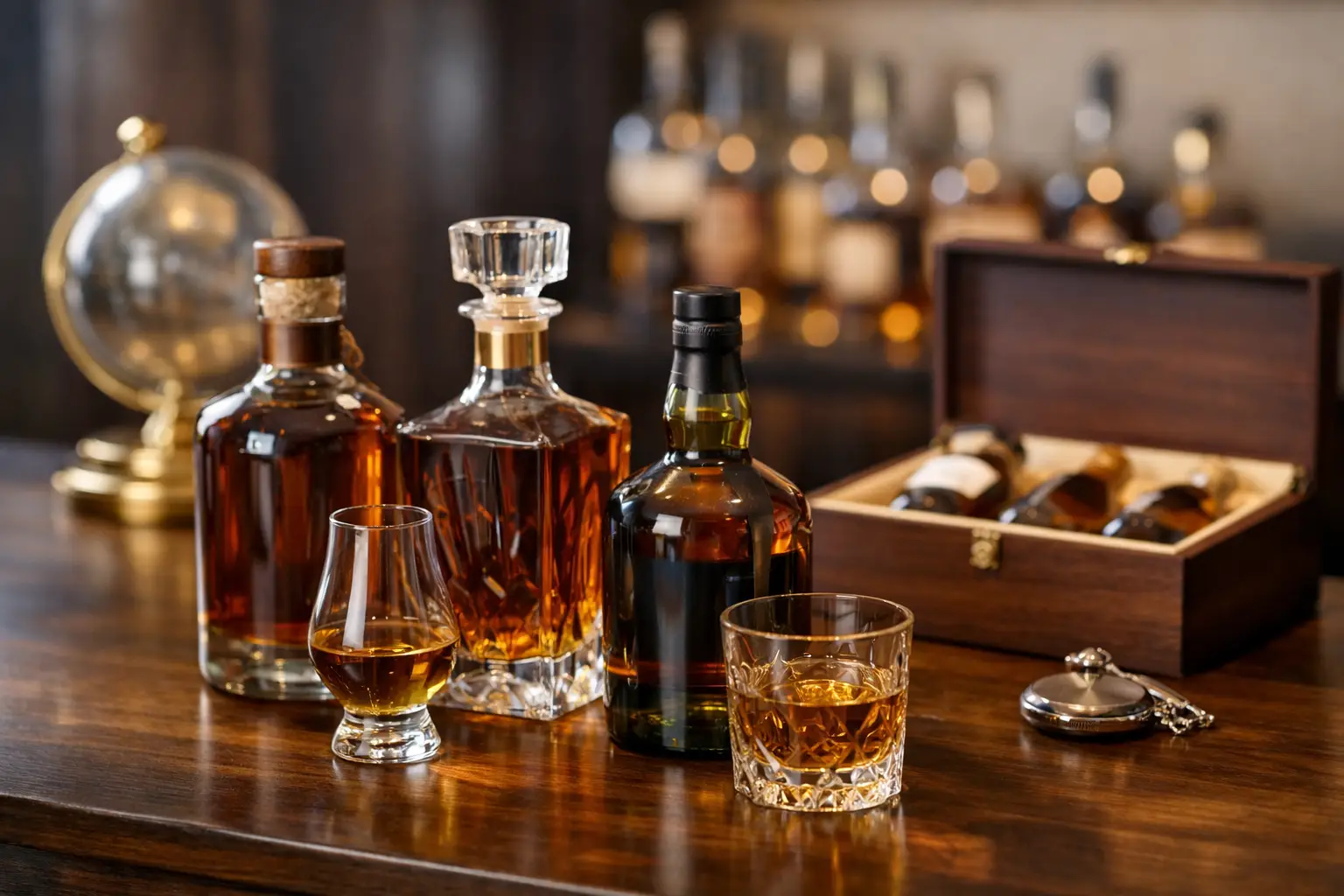
The future of whisky collecting will favor provenance, storage, and stock certainty as buyers focus on authenticity, liquidity, and trusted supply.
A bottle that looked like a trophy purchase five years ago can now raise harder questions than admiration. Was it stored correctly? Is the fill level right for its age? Did it come through three private hands before reaching the shelf? The future of whisky collecting is being shaped less by hype alone and more by the quality of answers behind the bottle.
That shift matters because the category is no longer driven only by enthusiasts chasing a favorite distillery. It now includes serious private buyers, gift purchasers, hospitality groups, and trade customers who expect the same discipline they would demand in fine wine or luxury watches. In that environment, rarity still matters, but provenance, storage integrity, and immediate stock visibility matter more than they used to.
What will define the future of whisky collecting?
For years, whisky collecting was often presented as a simple formula: buy well-known names, hold patiently, and expect scarcity to do the rest. That view was always incomplete, and it is becoming less reliable. More bottles are being issued as limited editions, more cask stories are competing for attention, and more buyers now understand that not every "rare" release is genuinely scarce in a meaningful market sense.
The next phase of the category will be defined by selectivity. Collectors are becoming more disciplined about what deserves long-term space in a cellar and what is merely short-term noise. Distillery reputation still carries weight, but so do release structure, bottling transparency, market depth, and the credibility of the supply chain.
This is especially relevant at the higher end of the market, where collector-grade Japanese whisky, top bourbon, and iconic Scotch face closer scrutiny. A bottle of Pappy, Old Rip Van Winkle, Weller, or Russell's Reserve can still attract immediate interest, but buyers are increasingly evaluating not just the label, but also who held it, how it was stored, and whether the merchant can stand behind its history.
Provenance will move from advantage to requirement
In premium spirits, provenance used to be something sophisticated buyers cared about. Now it is becoming a baseline requirement. As prices rise, the tolerance for ambiguity drops. Labels, capsules, fill levels, carton condition, and chain of custody all influence confidence, and confidence directly affects value.
This is one reason inventory-based merchants are likely to gain more importance in the future of whisky collecting. When a merchant owns stock, controls storage, and can physically verify condition, the buyer has a much clearer basis for decision-making. That is materially different from a marketplace model where the bottle may be real but the handling history is less certain or fulfillment is less predictable.
For collectors building depth rather than making occasional purchases, this distinction becomes practical very quickly. A bottle is not only an object to admire or potentially appreciate. It is also an asset that can become harder to place later if the original sourcing story is weak. Strong provenance preserves optionality.
Condition and storage will influence price more visibly
Whisky has often been treated as more forgiving than wine, and in some respects it is. Still, serious collecting increasingly recognizes that poor storage can undermine both presentation and long-term value. Heat exposure, damaged packaging, evaporative loss, label wear, and carton deterioration are not cosmetic details when the market becomes more selective.
As more buyers compare bottles across multiple channels, condition will be priced with greater precision. Two bottles of the same release may no longer trade as near equals if one has controlled storage and clean original presentation while the other shows visible handling issues. That trend is already familiar in other collectible categories. Whisky is simply catching up.
For professional buyers and private collectors alike, this favors merchants with disciplined storage and immediate stock control. It also reduces the appeal of speculative buying from uncertain sources simply because a bottle appears difficult to find.
The market will reward fewer bottles, chosen better
One of the more useful changes ahead is that collecting may become less cluttered. In recent years, many buyers accumulated too broadly, often reacting to release announcements instead of building coherent collections. The result was quantity without real quality concentration.
The future of whisky collecting is likely to reward tighter buying decisions. Instead of chasing every special edition, collectors will focus more on bottles with one or more durable strengths: historic significance, low production volume, recognized demand across regions, or a distillery profile that has already proven secondary-market resilience.
That does not mean only established blue-chip names will matter. Emerging categories can still perform well, particularly where allocation is controlled and quality is obvious. But the threshold for confidence is higher now. Buyers want to know whether demand is broad and repeatable, not just loud at launch.
Japanese whisky and bourbon remain central, but for different reasons
Japanese whisky and bourbon should remain important in collector portfolios, though the reasons are not identical. Japanese whisky continues to benefit from international prestige, packaging discipline, and cross-category appeal among buyers who also collect luxury goods and fine wine. The strongest bottles are supported by aesthetics and giftability as much as by liquid reputation.
Bourbon, by contrast, remains driven by label power, allocation scarcity, and a very active collector culture. Bottles such as Pappy, Old Rip Van Winkle, and Weller continue to function as shorthand for demand. That can create strong liquidity, but it can also produce volatility when pricing outruns practical buying appetite.
The trade-off is straightforward. Bourbon often offers faster market recognition, while top Japanese whisky can carry a more measured, prestige-oriented trajectory. Neither category is automatically superior. It depends on whether the buyer values quick tradability, collection coherence, or long-term brand durability.
Data will matter, but trust will matter more
Collectors now have more pricing visibility than ever. Auction results, private sale chatter, and release calendars make it easier to track sentiment. That is useful, but it can also create false precision. A headline price is only meaningful if the comparison is genuinely comparable in condition, packaging, tax status, and source credibility.
This is why trust still sits above raw data. A buyer may know the general market range for a bottle, but the confidence to transact often depends on whether the seller can confirm stock ownership, provide clear bottle condition, and fulfill without delay. For hospitality buyers and trade customers, that reliability is not a luxury. It affects service planning, gifting timelines, and resale decisions.
In practical terms, the best merchants in this space will not just offer bottles. They will reduce uncertainty. That is a stronger commercial advantage than simply presenting a large catalog.
Cross-category collecting will grow
A notable development is that serious buyers increasingly collect across categories rather than staying inside whisky alone. The same customer looking at a rare Japanese whisky may also be interested in Krug, Cristal, Salon, Dom Perignon, Ruinart, Prieur Roch, Kongsgaard, or Caroni. The logic is not random. These buyers think in terms of provenance, scarcity, presentation, and resale confidence across luxury beverage categories.
That shift favors merchants who understand collector behavior as a whole rather than treating whisky in isolation. It also means whisky must compete for wallet share against other collectible bottles with equally strong prestige signals. A collector deciding between a trophy bourbon and a case allocation of top Champagne is making a portfolio choice, not just a drinking choice.
For a merchant such as Solera, that broader collector perspective is commercially important because it aligns with how sophisticated customers actually buy. They want confidence across categories, not just expertise in one bottle type.
Service speed and stock certainty will shape buying behavior
An overlooked part of the future market is operational. High-end buyers increasingly expect premium fulfillment standards, especially in active cities such as Hong Kong where speed and certainty affect purchase decisions. If a merchant can confirm physical stock, offer fast local delivery or pickup, and present payment options that fit local behavior, that reduces friction in a category where hesitation often leads to lost sales.
This does not make logistics more important than authenticity. It makes them part of the same trust equation. A buyer who has to wait for a bottle to be sourced through unclear channels is taking a different risk than a buyer purchasing stocked inventory that has already been checked and stored correctly.
As the market matures, convenience will not replace expertise. It will reward the merchants who can combine both.
Collecting will become more disciplined, not less attractive
Some buyers read a more selective market as a warning sign. It is better understood as a sign of maturity. Categories become healthier when buyers ask harder questions, reject weak provenance, and stop confusing marketing scarcity with lasting significance.
That should ultimately benefit genuine collectors. Better discipline leads to better collections, stronger bottle quality, and fewer expensive mistakes. The bottles most worth owning will still command attention, but they will do so because they stand up to scrutiny, not because they were briefly fashionable.
For anyone buying seriously now, the useful question is not whether whisky will remain collectible. It is whether each bottle can justify its place when the market becomes less forgiving and more informed. That is where better decisions start.
Related Solera links: Macallan Edition No. 3 700mL · Macallan Exceptional Single Cask 2017/ESB-7802/11 12 Year 750mL · Macallan 18 Year Sherry Oak 2026 700mL · Macallan Edition No. 2 700mL · Macallan 15 Year Double Cask 700mL
Need help choosing the right bottle?
Solera can help you choose from current Hong Kong stock with practical pickup, delivery and bottle-specific advice.

 and then Add to Home Screen.
