SOLERA GUIDE
Choosing an Authentic Rare Whisky Merchant
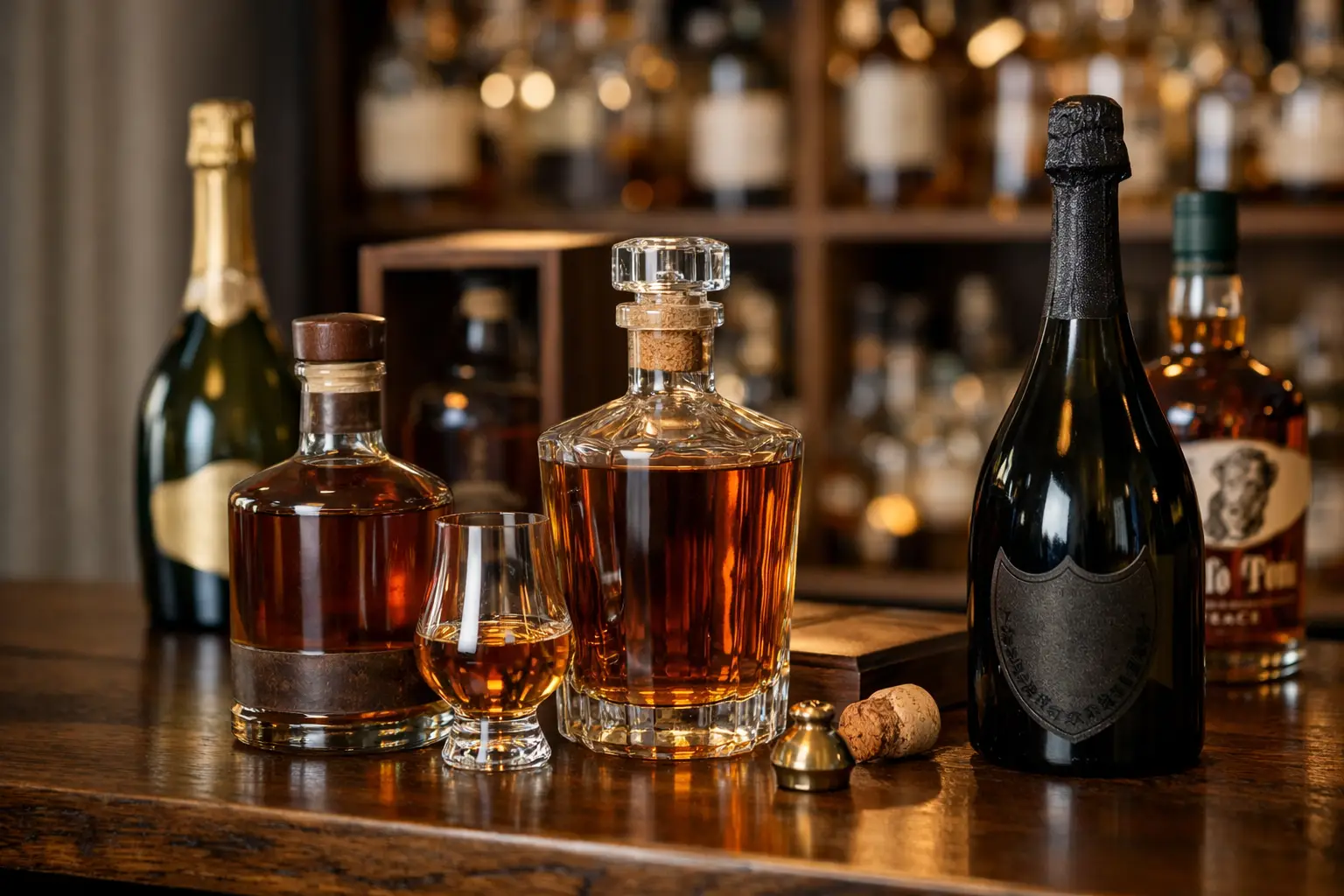
Learn what sets an authentic rare whisky merchant apart, from provenance and storage to real stock, fast fulfillment, and buyer confidence.
A rare bottle can look perfect in a photo and still be the wrong buy. The difference usually comes down to the merchant behind it. When buyers search for an authentic rare whisky merchant, they are not just looking for a label at the right price. They are trying to reduce risk around provenance, condition, storage, and whether the bottle will actually be available when payment is made.
That matters even more in collectible whisky, where a single bottle may be purchased for drinking, gifting, long-term holding, or premium on-premise service. In all four cases, the merchant model matters. A seller who physically owns and stores inventory operates very differently from a marketplace or listing site that connects buyers to third parties. For serious buyers, that distinction is not a technical detail. It is often the entire decision.
What an authentic rare whisky merchant actually does
An authentic rare whisky merchant is first and foremost a stock-holding merchant. That means the bottle is in controlled inventory, inspected before sale, and managed through a clear chain of custody. You are not waiting for a broker to source it after payment, and you are not relying on a seller whose storage standards are unknown.
In rare whisky, authenticity is not limited to whether the liquid is genuine. It also includes whether the bottle has been stored properly, whether labels and seals match known release details, whether fill levels are appropriate for the age and format, and whether the merchant can stand behind the sale with confidence. A serious merchant treats these checks as operational requirements, not marketing language.
This is where inventory ownership changes the buying experience. When a merchant controls stock directly, they can verify capsule condition, carton presence, labeling integrity, and presentation before the bottle is offered. They can also provide realistic fulfillment timing because the product is already in hand.
Why stock ownership matters in rare whisky
Collectors and trade buyers tend to learn this lesson quickly. A listed bottle is not the same as an available bottle. In the rare spirits market, many offers are still broker-led, meaning the seller may need to acquire the bottle from another source after you commit. That can lead to substitutions, delays, condition disputes, or a simple cancellation if the upstream source disappears.
A stock-owning merchant removes much of that uncertainty. If the bottle is in inventory, the merchant can confirm availability immediately and prepare it for pickup or delivery without an extra sourcing step. For high-value whisky, that is not just convenient. It is a control mechanism.
There is also a pricing dimension. Broker-style listings may look competitive at first, but the final cost can shift once sourcing, shipping, or condition compromises enter the picture. A merchant with physical inventory may not always be the cheapest on paper, yet often provides the stronger value once certainty is factored in.
Provenance is more than a buzzword
Provenance is one of the most overused terms in premium beverage retail, but in rare whisky it still deserves attention. The problem is that provenance is often mentioned vaguely, without saying what it means in practice.
For a merchant, provenance should describe how the bottle entered inventory, how it has been stored, and what checks were performed before sale. Was it sourced through recognized trade channels, private collections with documented history, or established distribution? Was it held in professional storage rather than a residential environment with fluctuating heat and humidity? Was the bottle visually checked against known release characteristics?
These questions matter whether the bottle is a Japanese release, a closed distillery bottling, or a highly traded bourbon such as Pappy Van Winkle, Old Rip Van Winkle, Weller, or Russell's Reserve limited editions. The more recognizable the bottle, the more attractive it becomes to counterfeiters and speculative resellers. Buyers should expect clarity, not vague reassurance.
Storage standards affect value and drinkability
A rare whisky bottle is not immune to poor handling just because it is sealed. Light exposure, unstable temperature, and careless movement can all affect long-term condition. Even when the liquid remains sound, presentation can suffer, and presentation matters in collector-grade bottles.
A disciplined merchant stores stock professionally and handles bottles as assets, not general inventory. That means stable conditions, careful packing, and minimal unnecessary transit. It also means understanding that a bottle of collectible Japanese whisky or a limited bourbon release may be purchased as much for condition integrity as for the spirit itself.
For hospitality buyers, storage discipline has another layer. If a hotel, private club, or fine dining venue is buying premium whisky for service or display, bottle condition reflects on the establishment. A compromised label or damaged box might be acceptable in a discount channel. It is not acceptable in premium service.
The best merchants reduce friction, not just risk
Authenticity is critical, but service reliability is what turns a cautious first order into a repeat account. Buyers of rare whisky are often working against a deadline. A collector may need a gift before a dinner. A restaurant buyer may need a specific bottle for a VIP booking. A retailer may need replacement stock without waiting through uncertain lead times.
This is where operational discipline becomes part of the premium offer. Fast local fulfillment, clear pickup options, realistic delivery windows, and practical payment flexibility all matter. They matter because they reduce the gap between decision and possession.
In Hong Kong, where premium buyers often expect quick execution, this is especially relevant. A merchant that physically holds stock can support same-day pickup or next-day delivery when appropriate, which is a very different proposition from a seller still trying to locate the bottle after checkout. Solera has built its reputation around that merchant model - actual inventory, controlled storage, and fulfillment clarity.
How collectors and trade buyers evaluate an authentic rare whisky merchant
Experienced buyers usually assess a merchant through a few practical signals. The first is whether the business behaves like an owner of inventory or a pass-through seller. If stock status is unclear, lead times are vague, and bottle specifics cannot be confirmed, caution is justified.
The second is category credibility. A merchant dealing seriously in collectible bottles should show depth across recognized names and styles, not just headline labels. In the broader premium market, that might include not only whisky and bourbon, but also adjacent collector categories such as Krug, Cristal, Salon, Dom Perignon, Ruinart, Caroni, Prieur Roch, and Kongsgaard. Breadth alone is not the point. The point is whether the merchant understands collector-grade buying behavior and handles high-value inventory accordingly.
The third is communication quality. Serious merchants answer practical questions directly. They do not hide behind generic sales language. If a buyer asks about packaging, bottle condition, release detail, or timing, the response should be specific and usable.
Price still matters, but context matters more
No serious buyer ignores price. Yet in rare whisky, low pricing without operational credibility can become expensive very quickly. A bottle that arrives late, arrives damaged, or never ships at all is not a deal. Neither is a bottle with uncertain provenance that becomes difficult to resell or gift with confidence.
There is a reasonable trade-off here. A highly disciplined merchant may price some bottles above opportunistic sellers because they carry inventory costs, storage costs, and inspection responsibilities. For many buyers, that premium is justified. For others, especially those chasing the lowest possible market entry, it may not be. It depends on the purpose of purchase.
If the bottle is intended for immediate drinking, a buyer may tolerate minor presentation issues. If it is intended for gifting, collecting, cellar building, or luxury service, those issues become much more significant. The right merchant is the one whose operating model matches the stakes of the purchase.
Why trust compounds over time
The first purchase from a rare whisky merchant is often a test. The second purchase is usually based on whether the first one went exactly as promised. Over time, buyers tend to consolidate with merchants who consistently provide authentic stock, clean condition, accurate communication, and dependable fulfillment.
That is especially true for collectors building across categories. Someone buying Japanese whisky today may be sourcing bourbon tomorrow and Champagne next month. Once trust is established, the merchant relationship becomes more efficient, because the buyer no longer needs to re-evaluate basic credibility with every transaction.
For premium beverage buying, that consistency has real value. It saves time, reduces disputes, and supports better purchase decisions across both personal and trade use.
A rare bottle should feel rare because of what it is, not because getting it was unnecessarily uncertain. The right authentic rare whisky merchant brings control to a market that often lacks it, and that is usually what serious buyers are paying for.
Related Solera links: Macallan Edition No. 3 700mL · Macallan Exceptional Single Cask 2017/ESB-7802/11 12 Year 750mL · Macallan 18 Year Sherry Oak 2026 700mL · Macallan Edition No. 2 700mL · Macallan 15 Year Double Cask 700mL
Need help choosing the right bottle?
Solera can help you choose from current Hong Kong stock with practical pickup, delivery and bottle-specific advice.

 and then Add to Home Screen.
